Finished reading: Emma by Jane Austen 📚
Such a delightful read 💜. I have really loved and admired Mr. Knightley. And I think I have met Austen at just the right time in my life.
Finished reading: Emma by Jane Austen 📚
Such a delightful read 💜. I have really loved and admired Mr. Knightley. And I think I have met Austen at just the right time in my life.
Perhaps the most shocking thing I learned about Stoker is that he wrote in library books!
How might you tidy your living room if Jesus himself asked you to do it? How might you take out the trash? How might you study for a test, or prepare a slideshow, or serve a hard-to-love church member? Would you receive the task differently if it came from the one who died for you, rose for you, and rescued you?
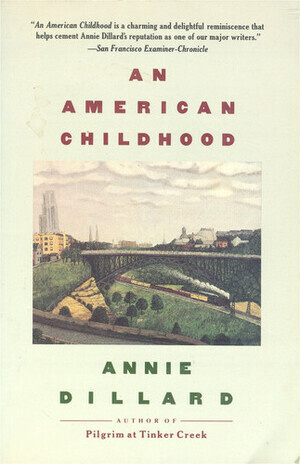
Finished reading: An American childhood by Annie Dillard 📚
What would you do if you had fifteen minutes to live before the bomb went off? Quick: what would you read?
John Piper: Happiness Myths to Avoid
Frank Churchill:
It is only by seeing women in their own homes, among their own set, just as they always are, that you can form any just judgment. Short of that, it is all guess and luck—and will generally be ill-luck. How many a man has committed himself on a short acquaintance, and rued it all the rest of his life!”
I think there’s truth in this. And not only women
Emma Woodhouse to Harriet, Emma, Volume 2 Chapter XIV:
…but it is not every man’s fate to marry the woman who loves him best. Miss Hawkins, perhaps, wanted a home, and thought this the best offer she was likely to have.”
It is not every man’s fate to marry the woman who loves him best.
For the sake of dignity on earth?
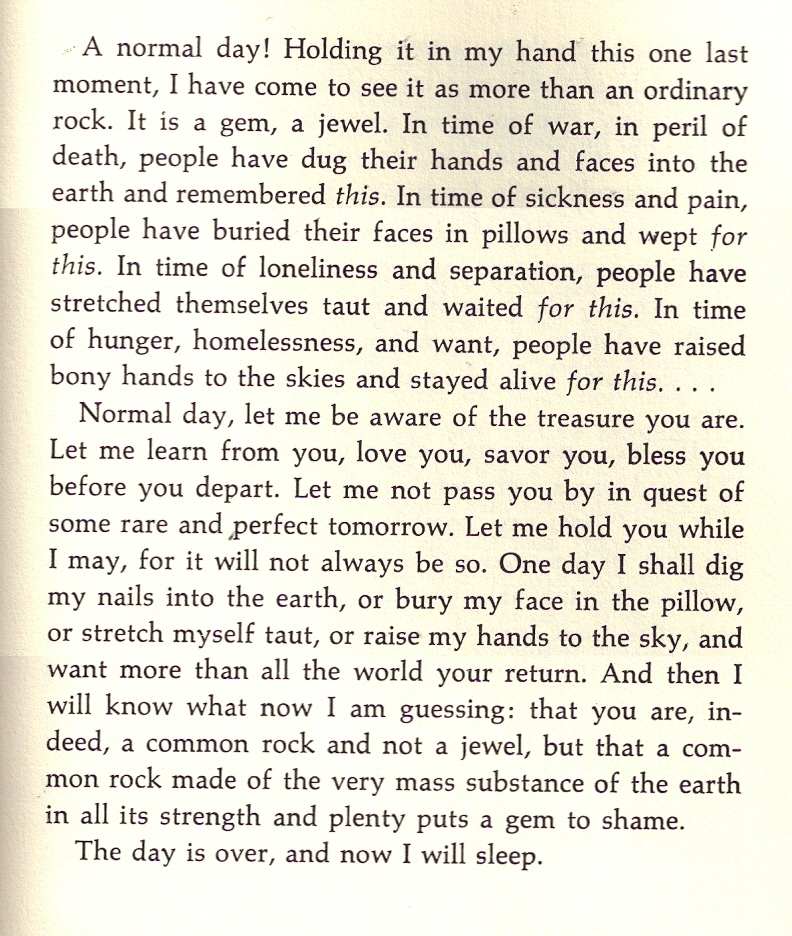
Annie Dillard, An American Childhood pg 109
I was too aware to do this, and had done it anyway. What could touch me now? For what were the people Penn Avenue to me, …
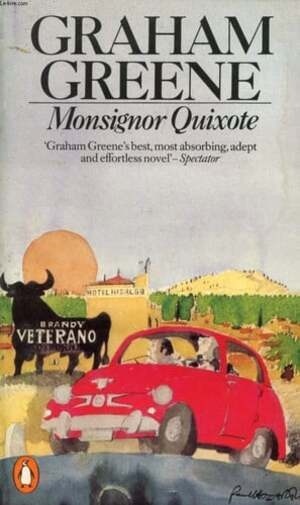
Finished reading: Monsignor Quixote by Graham Greene 📚
Deceptively simple. Such a refreshing yet still challenging read. I would like to read this one again. Borrowed it from the Medical School Christian Union Library. I hope there are some few people who have read it who are up for a discussion.