2026-09-22
1 Kings 1:5 Now Adonijah the son of Haggith exalted himself, saying, “I will be king.” And he prepared for himself chariots and horsemen, and fifty men to run before him.
One way the Scriptures seem to indirectly caution us against polygamy is through the stories of the various feuds and uprisings that characterized David’s family and that must have been the bane of his existence. Absalom had styled himself king, and now, while David was old and cold, Adonijah too exalted and declared himself king. He managed to get Joab and Abiathar the priest to his side, and though he invited all his brothers to his coronation, he did not invite Solomon. Two things here.
Firstly, Adonijah clearly acted foolishly. To proclaim himself king without David’s knowledge wasn’t just presumption, it was nothing short of treason. And though his life was spared for a time, Solomon does get him executed soon afterwards. There’s also something particularly telling about the men that Adonijah invited, or, to put it a little more rightly and specifically, the men that he did not invite, of whom Solomon was one.
This isn’t so surprising. It only goes to show that Adonijah must have known the wrong he was doing and to whom he was doing it. There’s really no way he would have invited Solomon, knowing that Solomon was the rightful and promised heir to David’s throne. People, usually, surround themselves with those who flatter them and echo back their opinions and prejudices. Very few times can we bear the company of those who would condemn, whether tacitly or outrightly, our foolish, improper, or wrong conduct. When we seek counsel, we should try to be sincere with ourselves about what we want to be told , and therefore resist the temptation of seeking out those who will most likely say to us, “Go to battle, for the Lord will grant you victory” (1 Kings 22:6) not because it is true, but because they know that is what we long to hear. We must continually seek the company of those who sincerely rebuke us just as Jesus did Peter: “Get behind me Satan. You are a hindrance to me, for you are not setting your mind on the things of God, but on the things of men” (Matthew 16:23). If we truly are justified in wanting the crown, the Solomon too will receive our invite.
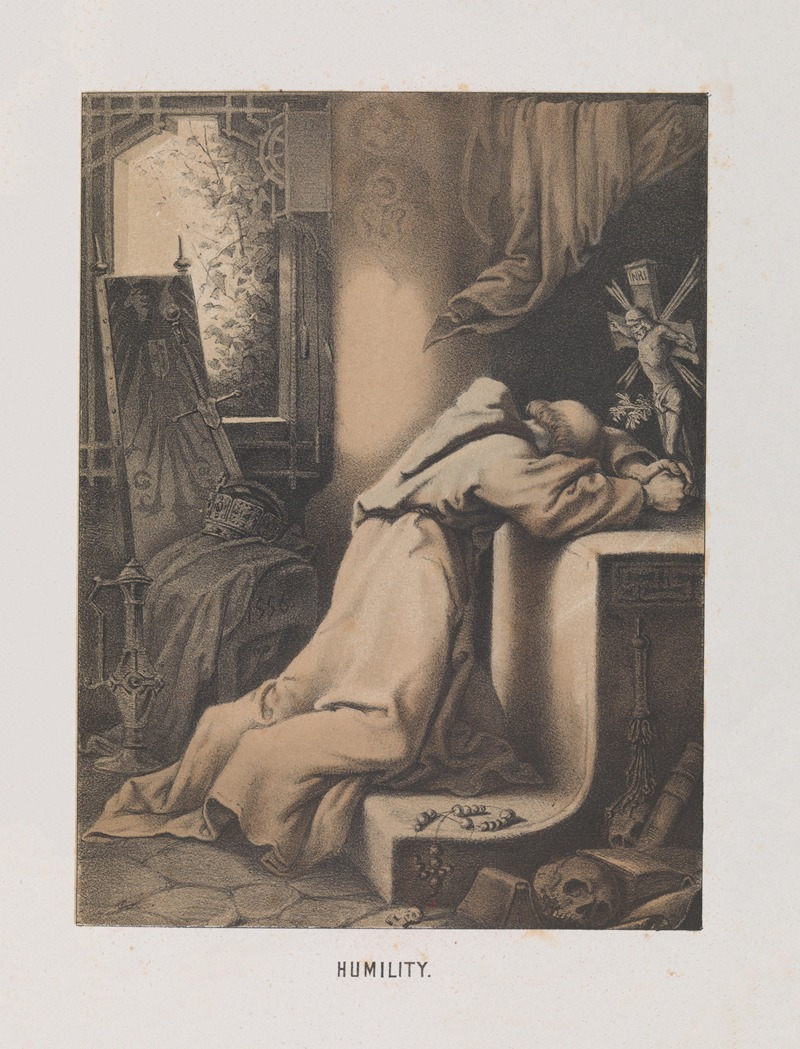
Secondly, the Bible is replete with warnings against presuming to exalt ourselves, saying, “he who exalts himself will be humbled” (Matthew 23:12) and “when you are invited by someone to a wedding feast, do not sit down in a place of honor, lest someone more distinguished than you be invited by him, and he who invited you both will come and say to you, ‘Give your place to this person,’ and then you will begin with shame to take the lowest place” (Luke 14:8-9). We are not called to be kings first but slaves and servants, nor is the crown assured us as much as the cross is. When John’s and James’s mother requested that each of her sons sit on the right and left of Christ in his kingdom, Jesus chided her and them, clarifying that those seats of honor weren’t his to grant, yet he assured them that of partaking in his suffering they would surely do (Matthew 20:20-23).
G. K. Chesterton argues in his Orthodoxy that the man who wants to be king shouldn’t be king, as does Plato in The Republic when he says that he who would rather not be king ought to be king. Much zeal and clamour for the crown or sceptre of rulership is the first indication that a man is unsuited for it, just as Adonijah proves his unworthiness and unsuitability for it when he proclaims and crowns himself king. David, having been anointed by Samuel, could never bring himself to lay a hand on Saul. He knew it in himself that God had chosen him to be king, yet he humbled himself before Saul as his subject and son, and spared Saul’s life twice when Saul was in fact pursuing him to kill him.
Jesus Christ has showed us the example we are to imitate in that he did not consider equality with God something to be grasped but humbled himself and was born in the likeness of men (Philippians 2:5-7) and he has also given the command that he who would be masters must be a slave. The rightful king isn’t the one who plots but the one who gladly takes the broom and sweeps. This certainly contradicts how politics is played in secular spaces which involves much strategising and scheming and blackmailing. Yet for the men who know God, and are known by him, if they aspire for positions of governance, they will and must indeed work shrewdly and diligently if they are to secure election the vote or be appointment to office, but they will never do anything desperate or unscrupulous. They would have known something much much better and precious than to cry over and clamour for a tinsel paper crown bestowed by men. We must be on our guard against falling for Adonijah’s folly.
Prayer:
Sovereing King and Lord, you order all things, determining before time who will rule and who will be ruled. Rid us of the sinful desire to take a crown you have not granted. May we humble ourselves before you, and serve our fellows gladly as you require of us in your word. Grant this in Jesus Name. Amen.